Giraffes, the tallest (current) living terrestrial animals, are known for their long necks and distinct spotted coat patterns and that really long blue tongue!. Dinosaurs, on the other hand, were a diverse group of reptiles that ruled the Earth for over 160 million years before their mass extinction around 65 million years ago. While these creatures may appear to be worlds apart, one cannot help but wonder if there is any evolutionary relationship between giraffes and dinosaurs especially the similarly long necked sauropods and if they are in fact related.
Giraffes and dinosaurs are not closely related. Giraffes are mammals, while dinosaurs were reptiles. Any similarities between them, such as long necks, are due to convergent evolution, where unrelated species develop similar traits in response to similar environmental challenges, rather than a close evolutionary relationship.
In this article, we will explore the connections, if any, between these two groups of animals. We will take a look at the similarities and differences in the build and anatomy, behavior and diets, and why on earth two sets of animals millions of years apart evolved to have such long necks!
Giraffes and Dinosaurs
just before we take a look at what dinosaurs and giraffes have in common we should make sure we are all starting from the same point, so we have a quick description of what each species are. (although we doubt you need it)
Description of Giraffes
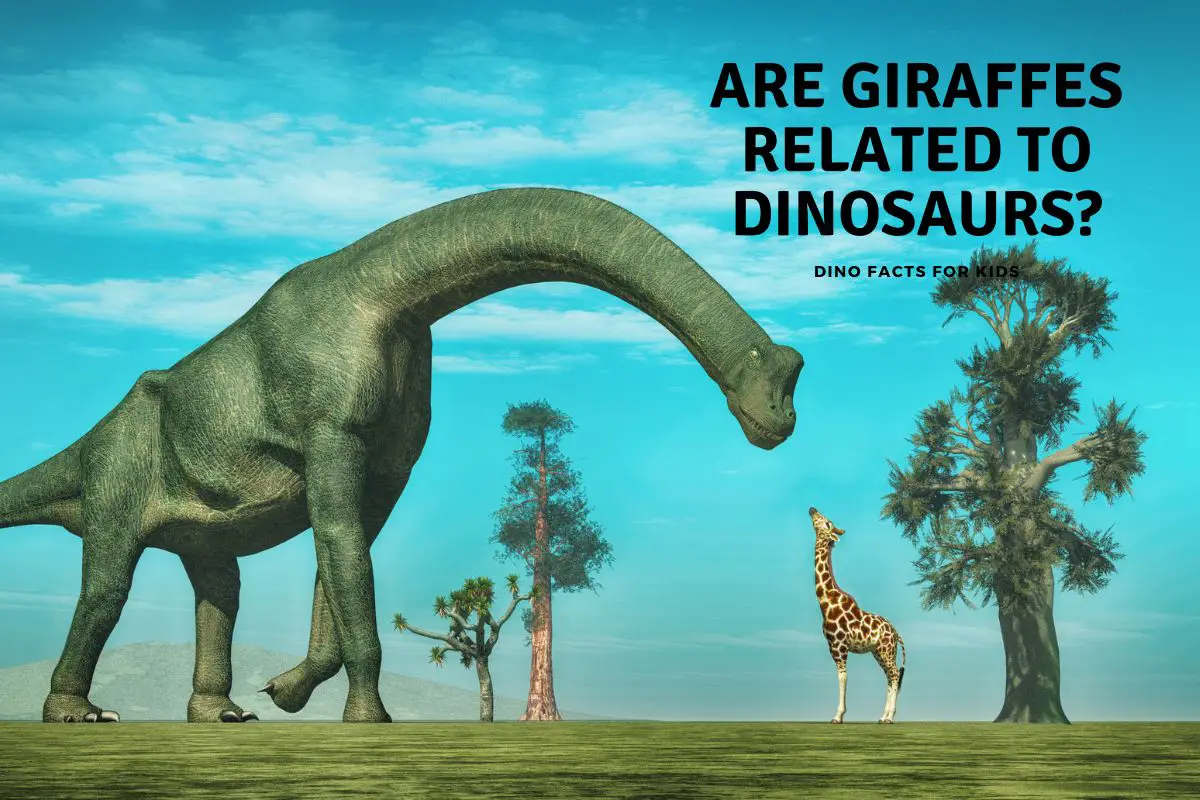
Giraffes are native to Africa, and most zoos of course, and are the tallest living land animals alive today, reaching heights of up to 18 feet. Their long necks, which are made of only seven large and long vertebrae, have evolved to allow them to feed on foliage that is inaccessible to other herbivores even elephants with that long trunk.
Giraffes are typically found in savannahs, grasslands, and open woodlands across sub-Saharan Africa. They eat mostly leaves, flowers, and fruits of various plant species, particularly those from the Acacia genus.
Giraffes are social animals, forming loose groups called “towers” ( learn something new everyday) that can range from a few individuals to over 20 members.
Giraffes’ Place in the Animal Kingdom
Giraffes are mammals, which means they have hair on their bodies, give birth to live young, and produce milk to feed their babies. They belong to a group called even-toed ungulates, which includes animals like deer, cows, and hippos.
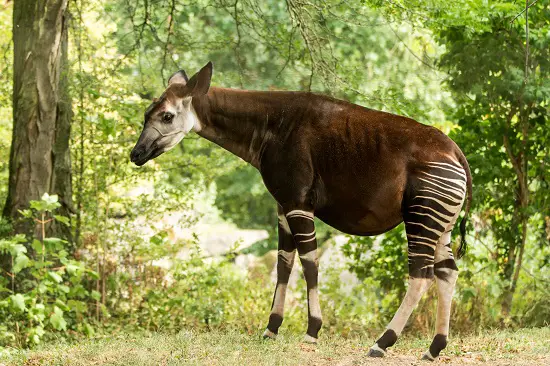
Within this group, giraffes are part of the family Giraffidae. This family has only two members: the giraffe and its smaller relative, the okapi.
Although they look quite different, giraffes and okapis share some features, such as a long tongue and similar skull structure.
Description of Dinosaurs
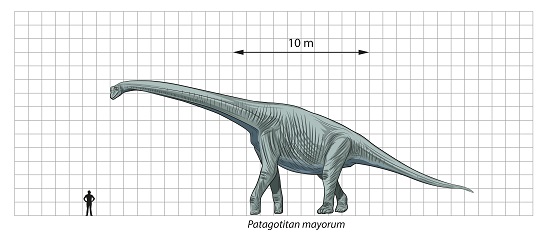
Dinosaurs were a diverse group of reptiles that dominated the Earth for about 160 million years during the Mesozoic Era, which spanned the Triassic, Jurassic, and Cretaceous periods. They ranged in size from the tiny, chicken-sized Microraptor to the massive, 100-foot-long, long necked, Argentinosaurus.
Dinosaurs can be broadly divided into two major clades:
- The saurischians, or “lizard-hipped” dinosaurs, which include theropods (such as T. rex and Velociraptor) and sauropods (like Brachiosaurus and Apatosaurus) which is where the comparison between giraffes and dinosaurs come from. ( not many people compare a giraffe to a T-Rex for example)
- The ornithischians, or “bird-hipped” dinosaurs, which encompass a wide array of herbivorous species like Triceratops, Stegosaurus, and Iguanodon.
Dinosaurs went extinct around 66 million years ago, likely due to a combination of factors, including a massive asteroid impact, volcanic activity, and climate change.
Although dinosaurs have long been extinct, their descendants, birds, continue to thrive today. Birds are considered to be modern-day theropod dinosaurs, sharing numerous features with their extinct relatives, such as hollow bones, fused clavicles (wishbones), and in some cases, feathers.
Dinosaurs’ Place in the Animal Kingdom
Dinosaurs, unlike giraffes, were reptiles. Reptiles are a group of animals that have scaly skin and usually lay eggs, like snakes, lizards, and crocodiles.
Interestingly, modern-day birds are considered descendants of the meat-eating theropod dinosaurs, not the bird-hipped ones. This means that birds are actually a type of dinosaur, showing us that not all dinosaurs went extinct 65 million years ago. though again there are not many comparisons between birds and giraffes.
Comparing Giraffes and Dinosaurs
we will compare the anatomical and behavioral features of giraffes and dinosaurs. While they may seem like completely different creatures, some aspects of their biology can provide interesting insights into their evolutionary history. Below is an introductory paragraph followed by a comparison table to highlight the similarities and differences between giraffes and dinosaurs.
Giraffes and dinosaurs are distinct groups of animals that lived in different periods of Earth’s history. However, there are certain characteristics that can be compared to understand their biology and ecology better. By examining their anatomy and behavior, we can gain a deeper appreciation of the complexities of the natural world.
Comparison Table: Giraffe and Dinosaur
| Feature | Giraffes | Dinosaurs |
|---|---|---|
| Classification | Mammals | Reptiles |
| Body Temperature | Warm-blooded (endothermic) | Mostly cold-blooded (ectothermic), some possibly warm-blooded |
| Skin Covering | Fur | Scales and/or feathers |
| Neck Structure | 7 elongated vertebrae | Varies; some long-necked species have more than 7 vertebrae |
| Limb Structure | Even-toed ungulates | Bipedal or quadrupedal; digitigrade or plantigrade stance |
| Diet | Herbivorous | Varies; herbivorous, carnivorous, omnivorous |
| Social Interactions | Form loose groups called “towers” | Varies; some solitary, others lived in groups or herds |
| Reproduction and Parenting | Live birth; mother cares for offspring | Lay eggs; varying levels of parental care observed in some species |
Why do people think giraffes and Sauropod dinosaurs are related
Sometimes, people may think that giraffes and dinosaurs are related because of certain similarities they share. For instance, both giraffes and some dinosaurs, like the long-necked sauropods, have extremely long necks.
This feature might lead people to believe that they are closely related. However, these similarities are often a result of a phenomenon called convergent evolution. which we look at in more detail below.
Convergent evolution happens when unrelated species develop similar traits because they live in similar environments or face similar challenges.
It’s important to remember that giraffes are mammals, while dinosaurs were reptiles. They belong to different groups in the animal kingdom and have many differences in their anatomy, physiology, and behavior.
Though some similarities might exist between them, these are not enough to suggest that giraffes and dinosaurs are directly related. Instead, these similarities can be better explained by convergent evolution or simply coincidence, rather than a close evolutionary relationship.
Comparing Heights of Giraffes and Sauropods
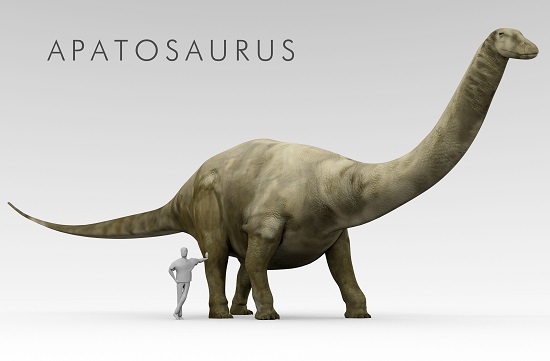
In this section, we will compare the heights of giraffes and various sauropod dinosaurs to highlight the diversity in size among these long-necked animals. The table below presents examples of sauropods that were much taller, similar in height, and smaller than giraffes.
Comparison Table: Giraffe Vs. Sauropod height
| Animal (Species) | Height | Comparison to Giraffe’s Height (up to 18 feet) |
|---|---|---|
| Giraffe (Giraffa camelopardalis) | Up to 18 feet | – |
| Taller Sauropods | ||
| Argentinosaurus | Up to 70 feet | Much taller |
| Brachiosaurus | Up to 50 feet | Much taller |
| Similar Height Sauropods | ||
| Amargasaurus | Around 18 feet | Similar height |
| Shunosaurus | Around 16 feet | Similar height |
| Smaller Sauropods | ||
| Europasaurus | Up to 10 feet | Shorter |
| Bonitasaura | Around 9 feet | Shorter |
Please note that these heights are approximate and may vary depending on different estimations and fossil specimens. This table is jsut to show you the variety in size among sauropods, from those that dwarf giraffes to others that are shorter than these tall mammals.
not all of them were the size of Argentinosaurus or Amphicoelias!
What about Giraffatitan
Giraffatitan was a dinosaur that lived about 150 million years ago during the Late Jurassic period. It was a massive, long-necked sauropod, reaching up to 75 feet in length and weighing around 40 tons.
Its name, “Giraffatitan,” means “giant giraffe,” and it was given this name because of its tall stature and long neck, which resemble the modern-day giraffe. Although Giraffatitan and the giraffe share these physical similarities, they are not closely related.
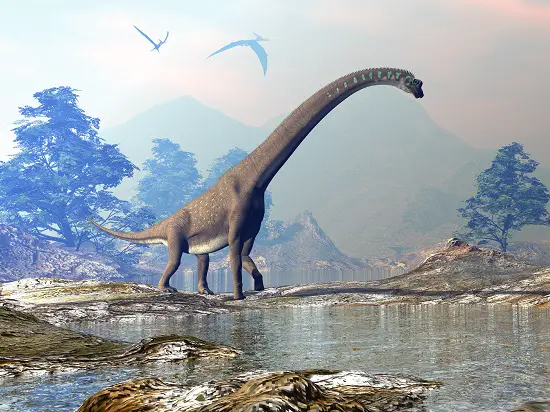
Giraffatitan was a reptile, while a giraffe is a mammal. and the are separated by about 150 million years. However they are both are and were residents of the African continent, with Giraffatitan being discovered in Tanzania in 1914 but given the name Giraffatitan in 1988 and 1991.
People might mistakenly think they are related due to their shared characteristics, like long necks, which are actually examples of convergent evolution. And giving the dinosaur the same name certainly doesn’t help avoid confusion!
The Concept of Common Ancestors
A common ancestor is an organism from which two or more different species have evolved over time. Every living organism on Earth is related to some extent, and by tracing their evolutionary paths, we can identify their last common ancestor.
For giraffes and dinosaurs, the last common ancestor would have been a very ancient creature that lived hundreds of millions of years ago. This ancestor would have given rise to various lineages, including the reptiles that eventually evolved into dinosaurs and the early mammals that later led to the emergence of giraffes.
Convergent Evolution
Convergent evolution is a phenomenon where unrelated species develop similar traits or features independently. This occurs because they face similar environmental pressures or challenges, leading them to evolve similar solutions to those problems.
For example, the long necks of a giraffe and sauropod dinosaurs are an instance of convergent evolution, as both groups evolved this feature to reach high foliage for feeding.
In the case of the giraffe and dinosaurs, convergent evolution can explain some of the similarities they share, such as their long necks or certain aspects of their limb structure.
However, it is important to emphasize that convergent evolution does not indicate a close evolutionary relationship between the two groups. Instead, it highlights how species can evolve similar traits in response to similar ecological challenges, even if they are not closely related.
while giraffe and dinosaurs share some intriguing similarities, these can be better explained by convergent evolution rather than a close evolutionary relationship.
What are Giraffes descended from and related to.
Giraffes are descendants of ancient even-toed ungulates (Artiodactyla) that lived millions of years ago. Their closest living relatives are the okapis, which together form the family Giraffidae. However, several extinct animals are also considered to be part of the giraffe lineage or closely related to it. Some notable ancient relatives of giraffes include:
- Samotherium: Samotherium lived during the Late Miocene epoch, around 7 to 8 million years ago, in Eurasia and Africa. This prehistoric giraffid had a shorter neck compared to modern giraffes but was still considerably taller than the okapi. It had two ossicones, similar to the giraffe, and likely browsed on leaves and branches.
- Palaeotragus: This extinct giraffid lived around 20 million years ago during the Miocene epoch. Palaeotragus had a relatively short neck and long limbs. It is believed to be an early ancestor of both giraffe and okapis, and its fossils have been found in Africa, Europe, and Asia.
- Giraffokeryx: Giraffokeryx lived during the Miocene epoch, around 11 to 12 million years ago, in what is now India and Pakistan. This prehistoric giraffid had four ossicones on its head, unlike modern giraffes or okapis. Its neck was relatively long, and it likely fed on vegetation similar to a modern giraffe.
These ancient relatives of giraffes, along with other extinct giraffids, provide valuable insights into the evolutionary history of the family Giraffidae and help us better understand how the unique features of modern giraffes, such as their long necks and ossicones, developed over time.
In conclusion,
giraffes and dinosaurs are not closely related, despite sharing some intriguing similarities. These similarities, such as their long necks, can be explained by convergent evolution, which occurs when unrelated species develop similar traits due to facing similar challenges.
While giraffes are mammals and dinosaurs were reptiles, exploring their similarities and differences allows us to better understand the fascinating world of evolution and the diverse adaptations that species develop.
References
- https://adventuredinosaurs.com/2021/07/22/are-giraffes-related-to-long-neck-dinosaurs/
- https://www.howitworksdaily.com/are-giraffes-descendants-of-brachiosaurus/
- https://safarinerd.com/are-giraffes-related-to-dinosaurs/
- https://www.prehistoriclife.xyz/prehistoric-earth/jurassic-giraffes.html

Hi, I am Roy Ford a General Studies and English Teacher who has taught all over the world. What started as a fossil collection became a great way to teach, motivate and inspire students of all ages and all over the world about dinosaurs and from that and children’s love of dinosaurs came the site dinosaur facts for kids, a resource for all ages.